

Ultimate Tips for Beautiful, Healthy Nails
Nails are often considered a reflection of overall health and personal grooming. Beautiful nails not only enhance your appearance but also signify good hygiene and self-care. Proper nail care is essential to keep them healthy, strong, and attractive. Here’s a comprehensive guide on how to take care of your nails to ensure they always look their best.
Understanding Nail Anatomy
Before diving into nail care, it’s crucial to understand the basic anatomy of nails. Each nail consists of several parts:
Nail Plate: The visible part of the nail.
Nail Bed: The skin beneath the nail plate.
Cuticle: The tissue that overlaps the nail plate and the nail bed.
Lunula: The crescent-shaped whitish area at the base of the nail.
Matrix: The part of the nail bed that contains nerves, lymph, and blood vessels.
Healthy nails are smooth, without pits or grooves, and uniform in color and consistency. Abnormalities like discoloration, spots, or changes in thickness can indicate underlying health issues.
Daily Nail Care Routine
Keep Nails Clean and Dry
Keeping your nails clean and dry prevents bacteria and fungi from growing under the nails. Regular washing with soap and water, followed by thorough drying, is essential.
Moisturize Regularly
Just like your skin, your nails need moisture to stay healthy. Apply a hand and nail cream regularly to keep them hydrated. Special cuticle oils or creams can also be used to prevent dryness and cracking.
Avoid Harsh Chemicals
Exposure to harsh chemicals, such as detergents and cleaning agents, can damage nails. Wear gloves while doing household chores to protect your nails from these harmful substances.
Trim Nails Properly
Regular trimming helps maintain nail health and prevents issues like ingrown nails. Use sharp nail scissors or clippers and cut nails straight across, then round the tips gently with a file.
File Nails Correctly
Filing nails helps to shape them and remove rough edges. Use a fine-grit nail file and move it in one direction to avoid weakening the nails.
Don't Bite Your Nails
Biting nails can damage the nail and the surrounding skin, leading to infections. It also transfers germs from the mouth to the nail area.
Nutrition for Healthy Nails
Your diet plays a significant role in the health of your nails. Ensure your diet includes:
Protein: Nails are made of a protein called keratin. Consuming adequate protein helps in the growth and repair of nails. Good sources include lean meats, fish, eggs, and beans.
Biotin: This B vitamin is crucial for nail health. Foods rich in biotin include eggs, nuts, seeds, and leafy greens.
Omega-3 Fatty Acids: These fats help to keep nails moisturized. Include fish, walnuts, and flaxseeds in your diet.
Iron: Iron deficiency can lead to brittle nails. Incorporate red meat, spinach, and lentils into your meals.
Zinc: Essential for cell growth and division, zinc can be found in meat, shellfish, and dairy products.
Preventing Nail Damage
To prevent damage and maintain nail health:
Limit Manicures:
While manicures can make your nails look beautiful, excessive manicuring can weaken them. Opt for gentle manicure techniques and avoid using harsh nail products.
Avoid Overuse of Nail Polish Removers:
Acetone-based removers can dry out nails. Use non-acetone removers and limit their use to maintain nail hydration.
Be Gentle with Your Nails:
Treat your nails gently. Avoid using them as tools to open cans or scratch surfaces, as this can cause them to break or chip.
Avoid Gel and Acrylic Nails Frequently:
While gel and acrylic nails provide a polished look, their frequent use can cause nail thinning and damage. Give your nails a break between applications to allow them to recover.
Use Nail Hardeners Sparingly:
Nail hardeners can strengthen nails, but overuse can make them brittle. Use these products only when necessary.
Related

Natural Nail Care Remedies
Olive Oil Soak:
Soaking your nails in warm olive oil for about 10-15 minutes can help to strengthen and moisturize them. Olive oil is rich in vitamin E, which is essential for nail health.
Lemon Juice and Baking Soda:
A mixture of lemon juice and baking soda can act as a natural nail whitener. Apply the mixture to your nails, leave it for a few minutes, and rinse off.
Coconut Oil Massage:
Massaging your nails and cuticles with coconut oil can promote healthy nail growth and prevent infections due to its antifungal properties.
Tea Tree Oil:
If you have brittle nails, applying tea tree oil can help. It has antifungal and antiseptic properties that can treat and prevent nail infections.
Dealing with Common Nail Problems
Brittle Nails:
Brittle nails can result from overexposure to water, harsh chemicals, or nutritional deficiencies. To combat this, keep nails moisturized, use gentle nail care products, and improve your diet.
Yellow Nails:
Yellowing can be caused by nail polish, smoking, or fungal infections. To treat this, avoid smoking, limit nail polish use, and consult a doctor if you suspect an infection.
Ingrown Nails:
Ingrown nails occur when the nail grows into the skin. To prevent this, trim nails straight across and avoid cutting them too short. If you have an ingrown nail, soak your feet in warm water and apply an antibiotic ointment. Seek medical advice for severe cases.
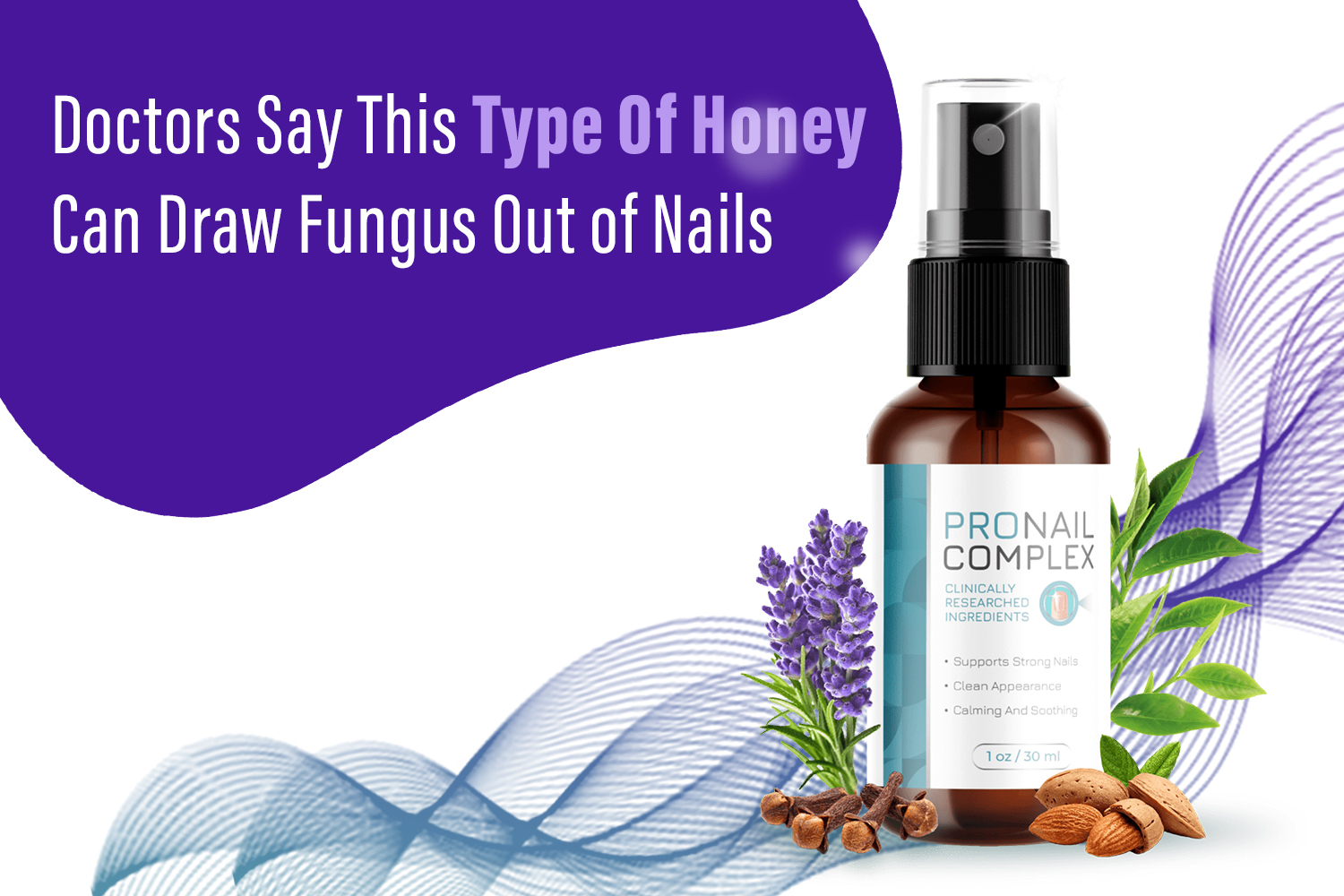
Nail Fungus:
Nail fungus causes discoloration, thickening, and crumbling of nails. To prevent fungal infections, keep nails clean and dry, wear breathable shoes, and use antifungal treatments if necessary.
Professional Nail Care
For those who prefer professional care, here are some tips:
Choose a Reputable Salon:
Ensure the salon follows proper hygiene practices, such as sterilizing tools and using clean towels. A reputable salon can prevent the spread of infections.
Communicate with Your Nail Technician:
Discuss your nail care preferences and any concerns you have. A good technician will tailor the treatment to your needs.
Opt for Healthier Nail Treatments:
Choose treatments that strengthen and protect your nails rather than just focusing on aesthetics. Treatments like paraffin wax baths and nail strengthening solutions can be beneficial.
Nail Care Myths Debunked
Myth: Nails Need to Breathe:
Nails do not need to breathe as they are made of dead cells. However, giving them a break from polish and artificial nails can help maintain their natural strength and appearance.
Myth: Cutting Cuticles is Necessary:
Cutting cuticles can lead to infections. Instead, gently push them back and moisturize regularly to maintain healthy cuticles.
Myth: White Spots Indicate Calcium Deficiency:
White spots on nails are usually due to minor trauma and not necessarily a sign of calcium deficiency.
Discover
Final Thoughts
Beautiful nails are a result of consistent care and attention. By following a regular nail care routine, maintaining a balanced diet, and taking preventive measures, you can ensure your nails remain healthy and attractive. Remember, your nails are a part of your overall health, so treat them with the care they deserve.
Discover...

Recently Added
Discover

Watch
See how...

Discover
Last Posts
Stay Updated
Get early access to our new service by registering your interest


Created with ©systeme.io